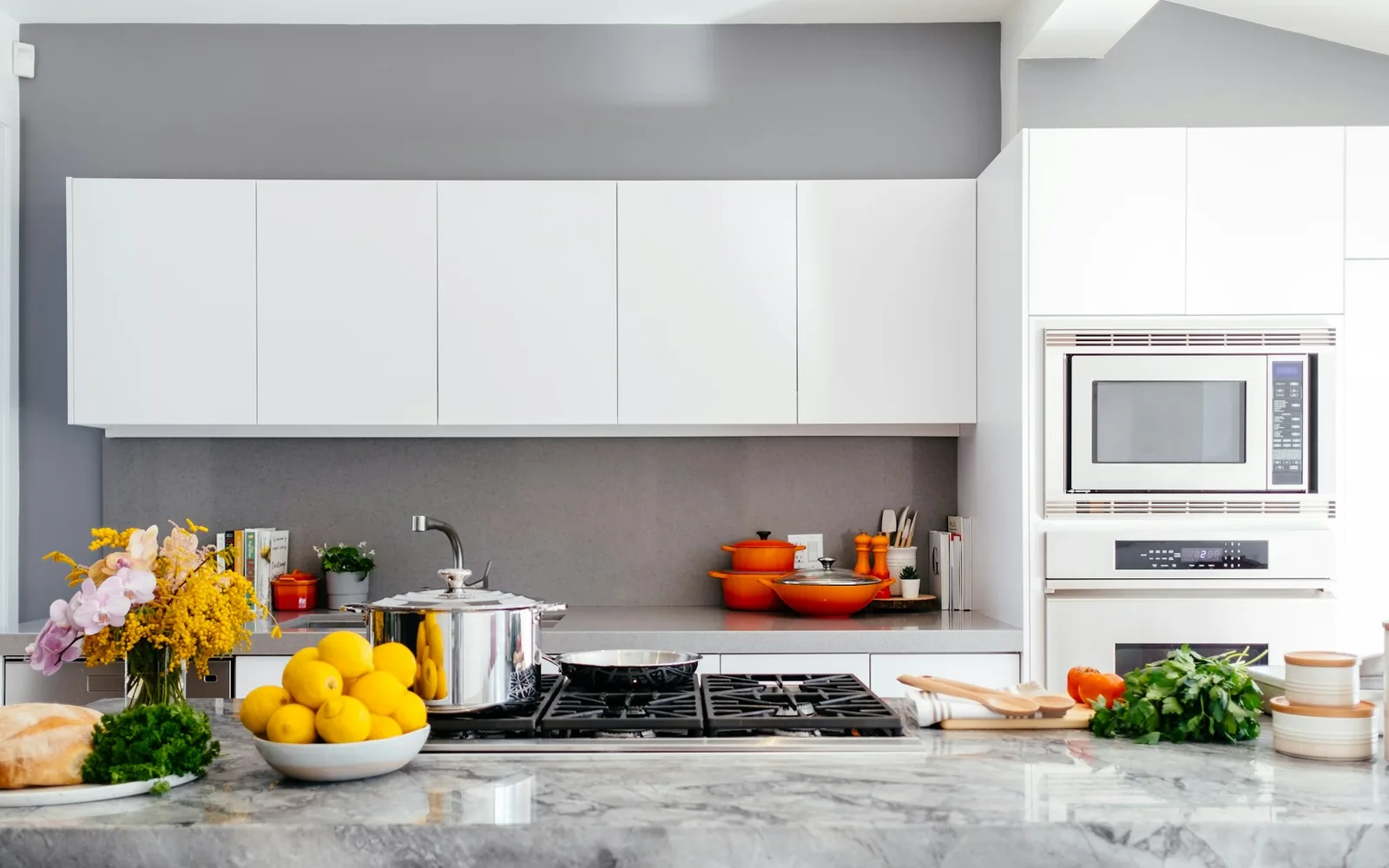
Dinner starts with onions, herbs, and a slippery chicken package on a counter barely wider than the sink. The board has to protect the knife edge, stay in place, contain drips, and still fit where it will be washed and dried.
Choose the largest board you can wash and dry comfortably. Material matters, but stable footing, enough working area, and a care routine you will follow matter more.
Start With the Routine, Not the Feature List
A useful buying decision begins with the room and the sequence of actions that happen there. Measure the available space, note who uses the product, and identify the maintenance step most likely to be skipped. That context filters out attractive options that would be inconvenient after the first few days.
Retail pages are best used to confirm current dimensions, materials, compatibility, care instructions, and included parts. Prices, inventory, seller identity, and specifications can change, so verify the current listing before ordering.
What to Compare Before You Buy
Wood
Wood offers a pleasant cutting surface and can be resurfaced, but it needs prompt hand washing, complete air drying, and occasional conditioning according to the maker's guidance.
Plastic
Plastic is light, affordable, and often dishwasher-compatible when the manufacturer allows it. Deep cuts can become difficult to clean, so replacement condition matters.
Rubber
Dense rubber boards can grip the counter and feel forgiving under a knife. They are often heavier than plastic and may have specific heat or dishwasher restrictions.
Composite
Composite fiber boards are thin and tidy to store, but hardness varies. Check the maker's care directions and decide whether the firmer feel suits your knives.
Size and stability
A board that shifts or crowds ingredients creates more frustration than the material solves. Feet, weight, or a damp towel beneath a flat board can improve stability.
Best Choice by Household Scenario
| Situation | Start with | Why it fits |
|---|---|---|
| Daily vegetables | Large wood or rubber board | The generous area supports repetitive chopping and keeps ingredients from spilling. |
| Raw meat prep | Separate washable plastic board | Color coding and a clearly separated cleaning routine can reduce mix-ups. |
| Tiny kitchen | Medium reversible board | One practical footprint is easier to wash and store than several oversized boards. |
A Four-Step Buying Routine
- Measure your sink basin as well as the counter; an oversized board is difficult to clean safely.
- Keep a designated board or clearly separated workflow for raw meat, then follow food-safety guidance for washing and sanitizing.
- Dry boards upright with airflow on both faces so moisture is not trapped against the counter.
- Replace boards when damage, warping, or deep grooves prevent thorough cleaning or stable use.
What Not to Overpay For
More pieces, more modes, or a more dramatic claim do not automatically make an everyday product easier to own. Watch for features that add cost without improving the routine you identified.
- Buying a beautiful board that cannot fit flat in your sink.
- Using glass or stone as a routine cutting surface when protecting knife edges is a priority.
- Assuming a juice groove is always helpful; it also reduces flat working area and takes extra cleaning.
Compare Current Options
This link opens a current Amazon search for large nonslip cutting board kitchen. Results, sellers, prices, specifications, and availability vary. Review the exact listing and return policy before purchasing.
Browse current optionsCare, Setup, and Ownership
Read the complete manufacturer instructions before setup or first use. Keep labels, model information, and proof of purchase until you know the item works in the intended space. Maintenance is part of product fit: if routine cleaning, replacement parts, charging, drying, or storage is awkward, the product is likely to become less useful over time.
Revisit the setup after one week. Move the item, simplify accessories, or change the routine if people keep working around it. A small correction made early can prevent an otherwise sound purchase from becoming clutter.
Frequently Asked Questions
Do I need separate cutting boards?
Separate boards or a carefully controlled sequence can reduce cross-contact. Follow current food-safety guidance and use a system that is obvious to everyone who cooks in the home.
What size works for most kitchens?
There is no universal size. Aim for enough room to keep the knife and ingredients on the board while still fitting the board in your sink and drying area.
Are boards with feet better?
Feet can improve grip and airflow, but they remove the option to use both sides. A flat reversible board can be stabilized with a damp towel when appropriate.
Editorial image: view the photograph source on Unsplash. Buying guidance is based on category-level considerations and published information, not claimed hands-on testing.