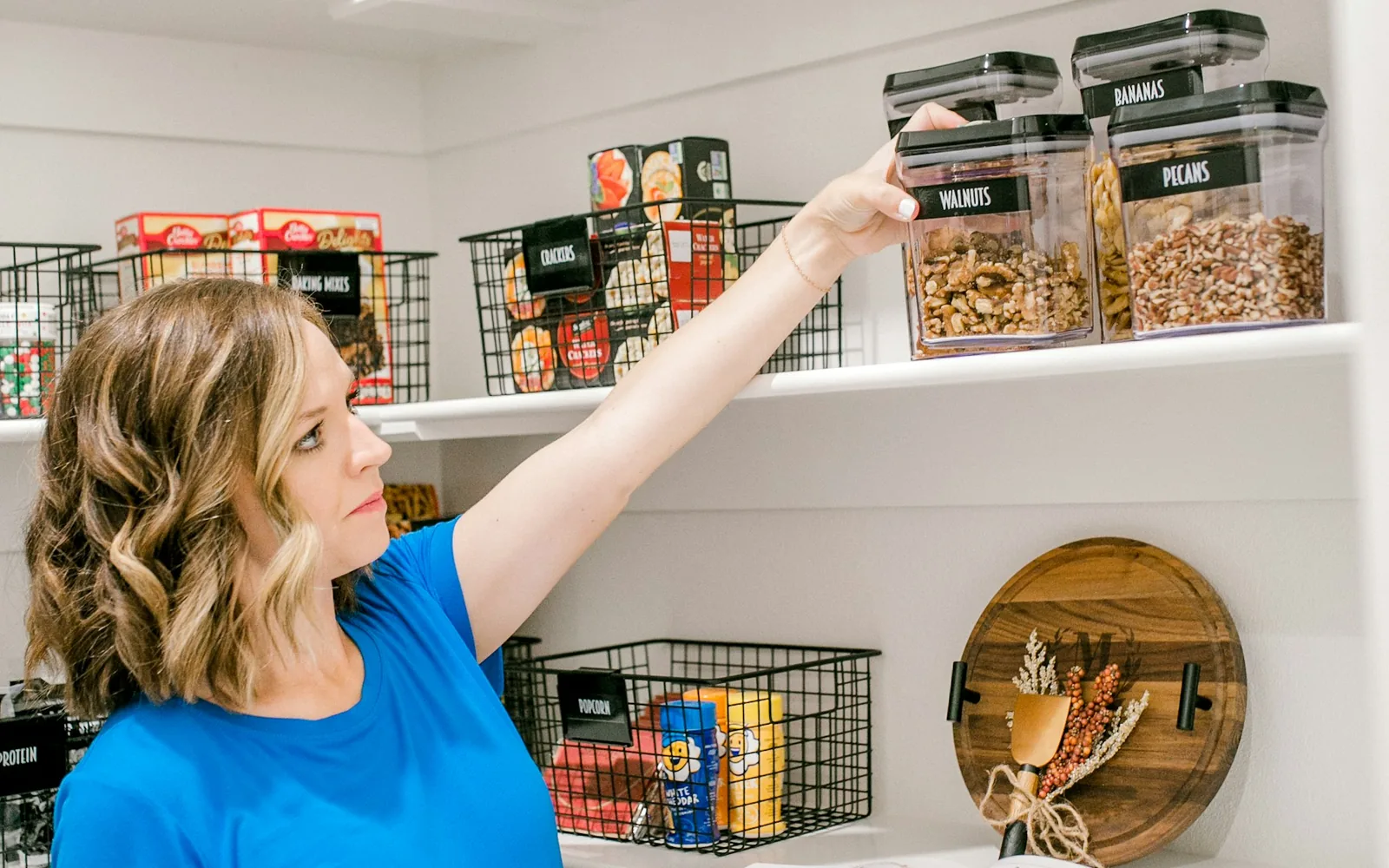
You unpack rice, cereal, coffee, and a bag of flour into a kitchen with one narrow pantry shelf. The attractive 24-piece set is tempting, but half the shapes may become empty plastic towers while the ingredients you use every week still live in crumpled bags.
Buy around your repeat groceries and available shelf height. A smaller set of modular rectangles with replaceable lids usually earns more space than a large mixed collection.
Start With the Routine, Not the Feature List
A useful buying decision begins with the room and the sequence of actions that happen there. Measure the available space, note who uses the product, and identify the maintenance step most likely to be skipped. That context filters out attractive options that would be inconvenient after the first few days.
Retail pages are best used to confirm current dimensions, materials, compatibility, care instructions, and included parts. Prices, inventory, seller identity, and specifications can change, so verify the current listing before ordering.
What to Compare Before You Buy
Usable dimensions
Measure shelf height, depth, and the clearance needed to lift a lid. Tall cereal containers can be efficient, but only when they fit under the shelf above and can be removed without tilting.
Seal you can inspect
Look for a continuous gasket that can be removed for cleaning and a latch or press mechanism you can understand at a glance. A complicated lid is not useful if crumbs collect where you cannot reach them.
A repeatable footprint
Rectangular bases waste less space than round canisters in most cabinets. Prioritize two or three footprints that stack securely instead of many one-off shapes.
Right-sized openings
Wide mouths help with scoops and cleaning. Narrow pour spouts suit cereal but can frustrate anyone who buys flour, brown sugar, or snacks in irregular pieces.
Replacement reality
Before committing to a system, check whether lids or gaskets are sold separately. Containers tend to outlast the small sealing parts that make them useful.
Best Choice by Household Scenario
| Situation | Start with | Why it fits |
|---|---|---|
| Apartment pantry | Medium modular rectangles | They stack predictably and can move between shelves as your grocery mix changes. |
| Bulk staples | Large wide-mouth bins | A scoop fits easily and the opening is simpler to wipe after a refill. |
| Lunch prep | Low containers with locking lids | They fit refrigerators and bags better than tall pantry canisters. |
A Four-Step Buying Routine
- List the six dry goods you replace most often and note the package size you normally buy.
- Measure the cabinet before comparing set counts; capacity labels do not reveal whether the shapes fit your shelf.
- Wash and fully dry a container before every refill so old crumbs and moisture are not trapped underneath new food.
- Use removable labels with the ingredient and, when useful, the best-by date from the original package.
What Not to Overpay For
More pieces, more modes, or a more dramatic claim do not automatically make an everyday product easier to own. Watch for features that add cost without improving the routine you identified.
- Paying for dozens of tiny pieces just to increase the advertised set count.
- Assuming every push-button lid is automatically airtight; inspect the gasket and closure design.
- Buying opaque containers for ingredients that are easy to confuse unless you already use a strong labeling habit.
Compare Current Options
This link opens a current Amazon search for airtight food storage containers stackable kitchen. Results, sellers, prices, specifications, and availability vary. Review the exact listing and return policy before purchasing.
Browse current optionsCare, Setup, and Ownership
Read the complete manufacturer instructions before setup or first use. Keep labels, model information, and proof of purchase until you know the item works in the intended space. Maintenance is part of product fit: if routine cleaning, replacement parts, charging, drying, or storage is awkward, the product is likely to become less useful over time.
Revisit the setup after one week. Move the item, simplify accessories, or change the routine if people keep working around it. A small correction made early can prevent an otherwise sound purchase from becoming clutter.
Frequently Asked Questions
Do all dry goods need airtight containers?
No. Fast-moving foods may be fine in well-closed original packaging. Containers are most useful when bags tear, pests are a concern, or stacking improves a small pantry.
Is glass always better than plastic?
Glass resists stains and feels stable, while plastic is lighter and easier to lift from high shelves. The better choice depends on placement, handling, and whether replacement lids are available.
How many containers should I buy first?
Start with enough for the groceries that repeatedly create clutter—often four to eight pieces—then add matching sizes after you know which capacities you actually use.
Editorial image: view the photograph source on Unsplash. Buying guidance is based on category-level considerations and published information, not claimed hands-on testing.