The same ceiling fixture has to support homework at six, dinner at seven, and a quieter room by ten. One harsh bulb makes the table bright but leaves everyone reaching for smaller lamps later.
Use warmer light for relaxed evening zones and neutral or cooler task light where detail matters. Layered fixtures and reliable dimming create more flexibility than one very bright source.
Start With the Routine, Not the Feature List
A useful buying decision begins with the room and the sequence of actions that happen there. Measure the available space, note who uses the product, and identify the maintenance step most likely to be skipped. That context filters out attractive options that would be inconvenient after the first few days.
Retail pages are best used to confirm current dimensions, materials, compatibility, care instructions, and included parts. Prices, inventory, seller identity, and specifications can change, so verify the current listing before ordering.
What to Compare Before You Buy
Color temperature
Lower Kelvin values appear warmer and higher values appear cooler. Compare actual labeled values instead of relying on names such as soft or daylight, which vary by brand.
Brightness
Lumens describe light output more directly than watt-equivalent labels. The right amount depends on room size, wall color, shade, and task.
Glare control
A visible bright bulb can feel uncomfortable even when total output is modest. Shades, diffusers, and fixture placement influence visual comfort.
Color quality
Color-rendering information can be useful in kitchens, dressing areas, and creative work. Treat any performance claim as a specification to verify on the package.
Dimming compatibility
Dimmable bulbs still need a compatible dimmer and fixture. Incompatibility can cause flicker, buzzing, a limited range, or early failure.
Best Choice by Household Scenario
| Situation | Start with | Why it fits |
|---|---|---|
| Living room | Warm layered lamps | Several lower, shaded sources create a calmer evening than one exposed ceiling bulb. |
| Kitchen counter | Neutral task light | Clear, focused light supports food prep without forcing the entire room cooler. |
| Flexible multipurpose room | Tunable or mixed layers | Separate task and ambient controls adapt as the room changes role. |
A Four-Step Buying Routine
- List evening tasks and identify where eyes need focused light versus general ambience.
- Check fixture base, enclosed-fixture rating, maximum wattage, and dimmer compatibility.
- Change one zone at a time so color and brightness can be judged in the actual room.
- Use lamps and shades to move light below eye level and reduce direct glare.
What Not to Overpay For
More pieces, more modes, or a more dramatic claim do not automatically make an everyday product easier to own. Watch for features that add cost without improving the routine you identified.
- Buying by watt-equivalent alone without checking lumens and color temperature.
- Mixing noticeably different whites in the same small visual zone unless the contrast is intentional.
- Assuming every LED works with an existing dimmer or enclosed fixture.
Compare Current Options
This link opens a current Amazon search for dimmable warm LED light bulbs 2700K high CRI. Results, sellers, prices, specifications, and availability vary. Review the exact listing and return policy before purchasing.
Browse current optionsCare, Setup, and Ownership
Read the complete manufacturer instructions before setup or first use. Keep labels, model information, and proof of purchase until you know the item works in the intended space. Maintenance is part of product fit: if routine cleaning, replacement parts, charging, drying, or storage is awkward, the product is likely to become less useful over time.
Revisit the setup after one week. Move the item, simplify accessories, or change the routine if people keep working around it. A small correction made early can prevent an otherwise sound purchase from becoming clutter.
Frequently Asked Questions
What Kelvin value feels warm?
Many products around 2700K are marketed as warm, but labels and personal perception vary. Compare the actual number and test in the room.
Is cool light bad at night?
Comfort and sleep routines are personal. A practical approach is to reduce brightness and use warmer, lower-positioned light as the evening winds down.
Why do LED bulbs flicker on a dimmer?
The bulb, driver, dimmer, load range, or wiring may be incompatible. Follow manufacturer guidance and consult a qualified electrician when needed.
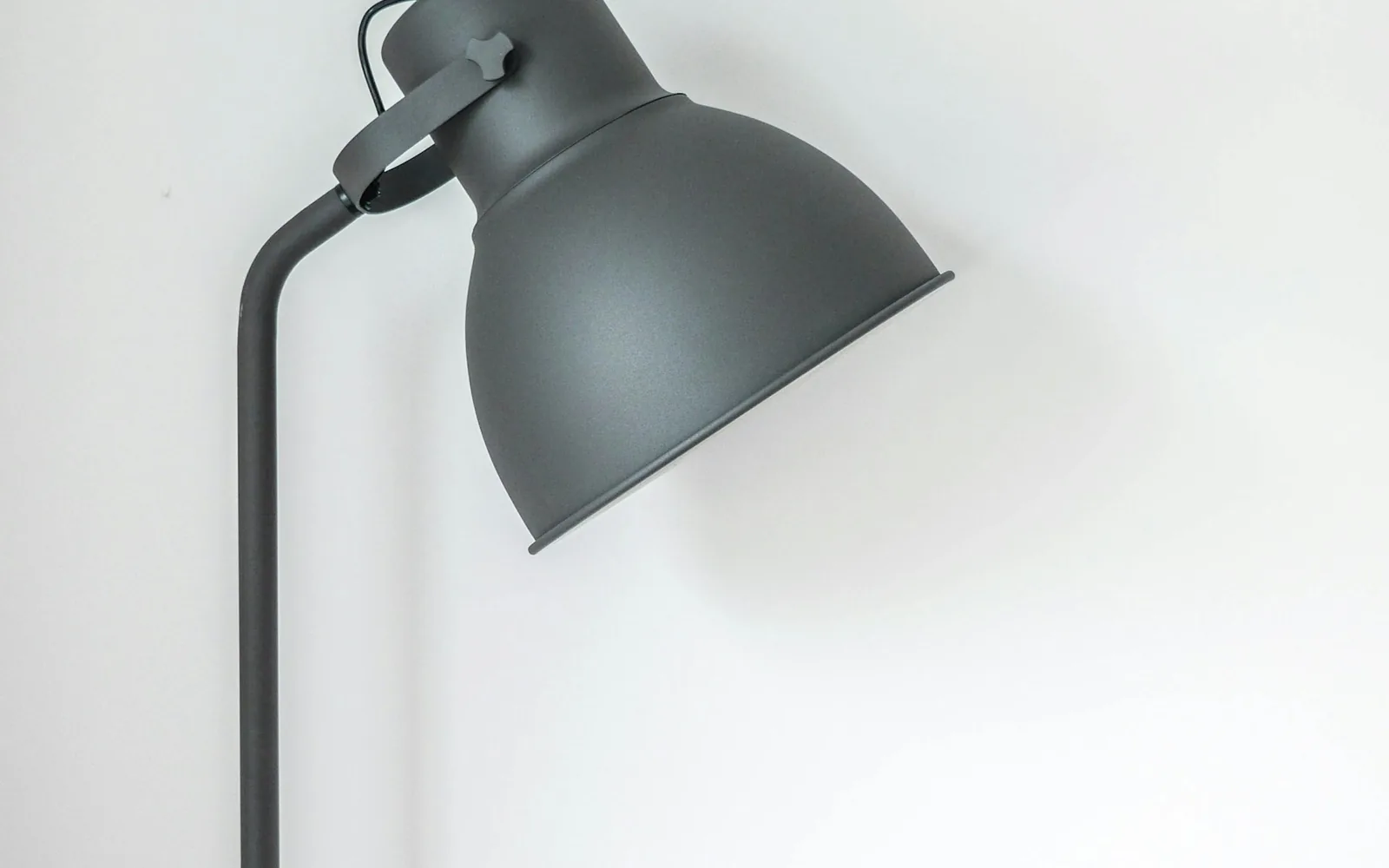
Editorial image: view the photograph source on Unsplash. Buying guidance is based on category-level considerations and published information, not claimed hands-on testing.