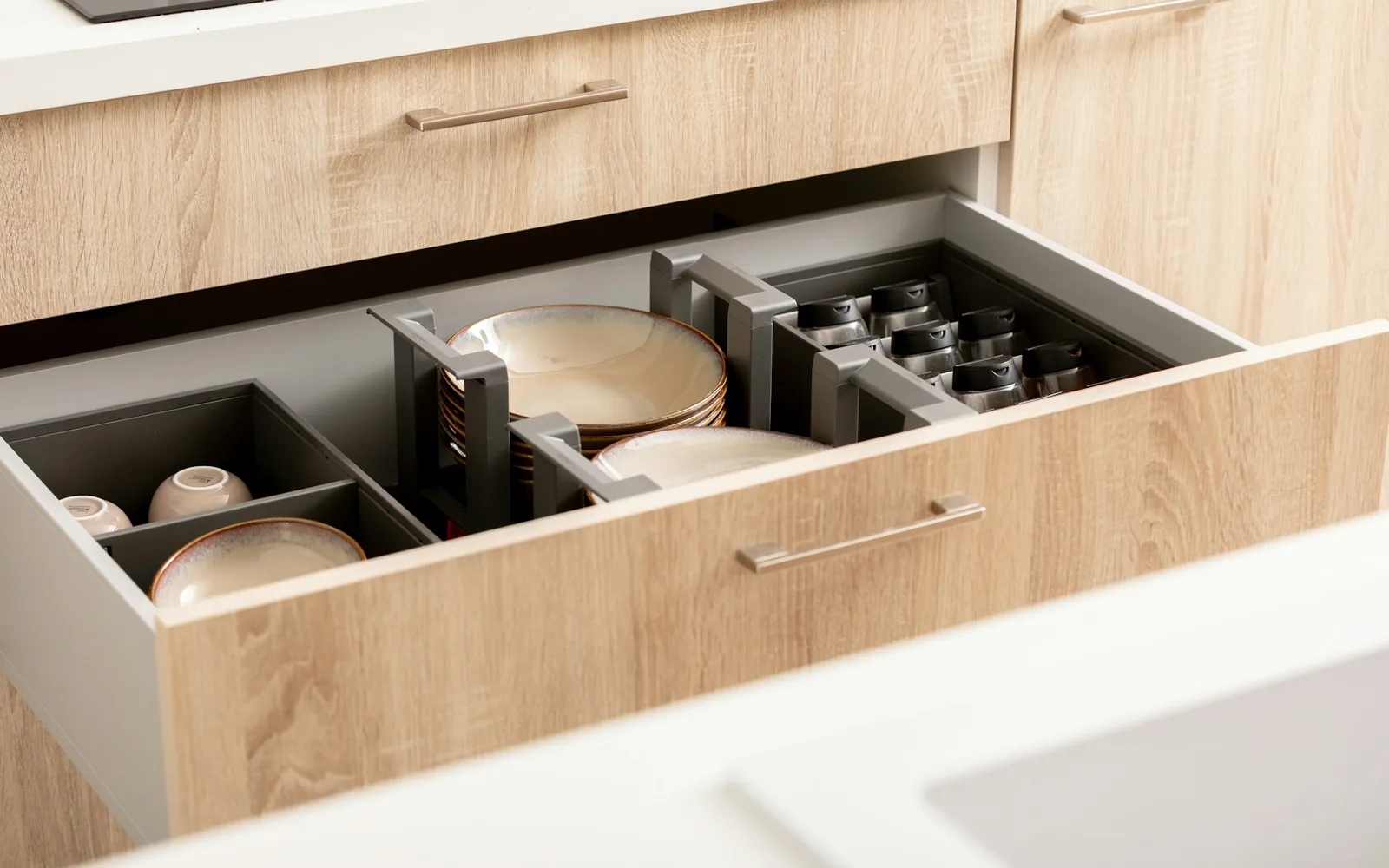
The cabinet looks wide until you account for the drain, disposal, water lines, shutoff valves, and a deep basin hanging above. Cleaning bottles gather at the front because reaching behind the plumbing means unloading everything.
Map the fixed obstacles first. Adjustable shelves or narrow pull-out bins often work better than a single wide unit, and important plumbing access should remain visible.
Start With the Routine, Not the Feature List
A useful buying decision begins with the room and the sequence of actions that happen there. Measure the available space, note who uses the product, and identify the maintenance step most likely to be skipped. That context filters out attractive options that would be inconvenient after the first few days.
Retail pages are best used to confirm current dimensions, materials, compatibility, care instructions, and included parts. Prices, inventory, seller identity, and specifications can change, so verify the current listing before ordering.
What to Compare Before You Buy
Pipe map
Measure at the front, middle, and back of the cabinet. Note the lowest pipe, the side of the disposal, and the space needed to reach shutoff valves.
Vertical clearance
Two-tier systems only help if bottles fit on both levels and the upper shelf clears the basin. Adjustable shelf positions are more forgiving than fixed frames.
Pull-out path
A drawer must clear cabinet hinges, door frames, and plumbing. Test the full route on paper with measurements instead of using cabinet width alone.
Leak visibility
Use a washable tray and avoid packing the cabinet so tightly that drips are hidden. Periodic plumbing inspection should stay easy.
Product safety
Follow all labels for child-resistant storage, ventilation, and separation. Organization must not place hazardous products within easier reach.
Best Choice by Household Scenario
| Situation | Start with | Why it fits |
|---|---|---|
| Centered drain | Two narrow side bins | They use the open zones without forcing a shelf around the trap. |
| Disposal on one side | Single pull-out on the clear side | The drawer improves access while the disposal remains visible. |
| Rental cabinet | Freestanding adjustable rack | It avoids permanent mounting and can move to a future layout. |
A Four-Step Buying Routine
- Empty the cabinet, inspect for moisture, and solve active leaks before adding storage.
- Make a simple top-down sketch with pipe, hinge, and valve measurements.
- Group frequently used items at the front and occasional items in labeled removable bins.
- Leave room to inspect the cabinet floor and plumbing connections every month.
What Not to Overpay For
More pieces, more modes, or a more dramatic claim do not automatically make an everyday product easier to own. Watch for features that add cost without improving the routine you identified.
- Covering shutoff valves with a fixed shelf or heavy bin.
- Using adhesive hardware on a damp or unfinished surface without checking load and removal limits.
- Storing paper goods directly on the cabinet floor where a small leak can ruin them unnoticed.
Compare Current Options
This link opens a current Amazon search for adjustable under sink organizer pull out. Results, sellers, prices, specifications, and availability vary. Review the exact listing and return policy before purchasing.
Browse current optionsCare, Setup, and Ownership
Read the complete manufacturer instructions before setup or first use. Keep labels, model information, and proof of purchase until you know the item works in the intended space. Maintenance is part of product fit: if routine cleaning, replacement parts, charging, drying, or storage is awkward, the product is likely to become less useful over time.
Revisit the setup after one week. Move the item, simplify accessories, or change the routine if people keep working around it. A small correction made early can prevent an otherwise sound purchase from becoming clutter.
Frequently Asked Questions
Are pull-out organizers always better?
They improve access when the drawer clears hinges and pipes. In very irregular cabinets, removable open bins may fit more reliably.
Should I line the cabinet?
A washable tray can contain small drips and make cleaning easier, but it should not hide leaks or prevent regular inspection.
Can I store all cleaning products together?
Follow every product label. Some items need specific separation, ventilation, or child-resistant storage that takes priority over a tidy layout.
Editorial image: view the photograph source on Unsplash. Buying guidance is based on category-level considerations and published information, not claimed hands-on testing.